


Mar 25, 2026
Aerogel coatings represent the next generation of space-saving thermal insulation. While our aerogel blankets handle massive industrial pipes, Hebei Woqin’s Aerogel Coatings are engineered for complex geometries—such as intricate valves, tight pipe fittings, and space-constrained equipment—where wrapping traditional blankets is impossible. By following the correct application techniques below, you can achieve superior thermal resistance and prevent Corrosion Under Insulation (CUI) in critical industrial and commercial environments.
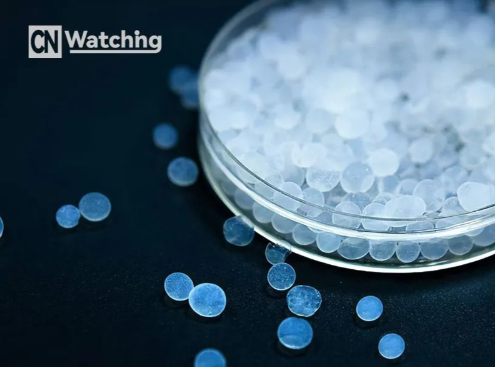
The first and most important step is preparing the substrate. The surface must be clean, dry, and free of dust, grease, oils, or loose particles. Any contamination can reduce adhesion and compromise insulation performance. In many cases, the surface may require light sanding or priming to improve coating adhesion, particularly on metal or smooth surfaces.
Some aerogel coatings are supplied as multi-component systems that require thorough mixing before application. It is important to follow the manufacturer’s instructions regarding mixing ratios and methods to ensure uniform consistency and maintain the thermal properties of the aerogel. Improper mixing can lead to uneven coverage, reduced insulation performance, or coating defects.
Aerogel coatings can be applied using several methods, including airless spray, roller, or brush, depending on the surface area and project requirements. Spray application is often preferred for large surfaces due to speed and uniform coverage, while rollers and brushes are suitable for smaller or more intricate areas. Multiple thin coats are recommended to gradually build up the desired thickness. Applying the coating in layers reduces the risk of cracking or uneven coverage and ensures maximum thermal efficiency.
Each coat must be allowed to dry or cure fully before applying the next layer. Drying times vary depending on the coating formulation, ambient temperature, and humidity levels. Proper curing is critical for adhesion between layers and long-term performance. Rushing this step can lead to delamination, cracking, or diminished insulation properties.
After the final coat has cured, inspect the surface carefully. Look for uniform coverage, absence of bubbles, pinholes, or gaps. Any defects should be corrected immediately to maintain continuous insulation and thermal performance. For critical applications, thickness measurements and thermal testing may be performed to verify compliance with specifications.
Aerogel coatings are delicate materials, so excessive pressure during application should be avoided. Operators should wear appropriate personal protective equipment (PPE), including gloves, masks, and eye protection, and work in a well-ventilated environment. Follow all safety guidelines provided by the manufacturer.
Proper application is the key to unlocking the full potential of aerogel coatings. From preventing heat loss on high-temperature valves to eliminating condensation on chilled lines, a perfectly applied aerogel coating provides an impenetrable thermal shield in the tightest spaces.
Are you struggling to insulate complex geometries or facing severe space constraints? [Contact Hebei Woqin’s Engineering Team Today] to explore our Aerogel Coating solutions and request technical data sheets for your specific application.
Previous : None
Next : Vacuum Insulated Panels: Advantages and DisadvantagesProduct Display


Standard 650°C Silica Aerogel Blanket | General Industrial Insulation
Engineered for general industrial applications up to 650°C, our Standard Silica Aerogel Blanket delivers reliable thermal control (0.01955 W/m·K at 25°C) and robust hydrophobicity. Ideal for standard pipelines and equipment, it offers a cost-effective, ultra-thin alternative to traditional bulk insulation for space-constrained sites.

Hebei Woqin offers high-quality silica aerogel particles with superior hydrophobicity. These 1-5mm particles feature a high surface area and extreme thermal resistance, making them the ideal functional filler for advanced insulation materials and industrial additives.

Hebei Woqin’s silica aerogel powder is a high-purity, ultra-fine functional filler (15-50μm). With excellent hydrophobicity and low density, it is specifically designed to enhance the thermal performance of coatings, plastics, and composite industrial materials.

Aerogel Thermal Insulation Coating
Hebei Woqin offers Aerogel Coating with 0.032 W/m.K thermal conductivity. Ideal for seamless application on complex valves and flanges, it ensures superior anti-scalding protection and personnel safety. This durable solution effectively prevents Corrosion Under Insulation (CUI) in harsh industrial environments.

Vacu-Core|Vacuum Insulation Panel (VIP)
Hebei Woqin is a premier VIP manufacturer with a certified 0.002 W/m.K thermal conductivity. Our Vacuum Insulation Panels offer 10x the performance of traditional materials in an ultra-thin profile. Ideal for cold chain logistics, medical freezers, and high-end construction where space-saving and thermal efficiency are critical.

Aero-Plaster | 22mm Thermal Laminate Board
The ultimate space-saving solution for internal wall insulation (IWI). Featuring our Patent Pending integration technology, it bonds high-performance Aerogel to plasterboard. Ranging from ultra-thin 15mm up to 32mm, it offers an A1 Fire Rated core, ready for paint. Ideal for solid wall retrofits where space is critical.

Aero-Mag | Ultra-Slim Aerogel MgO Composite Board (Starting from 8mm)
The ultimate ultra-slim structural insulation board. By bonding a high-impact, water-resistant Magnesium Oxide (MgO) facing to our high-performance Silica Aerogel core, Aero-Mag delivers unparalleled thermal resistance in minimal space. Starting at a groundbreaking 8mm total thickness, it is ideal for high-traffic floors, wet rooms, and basement re

Aero-Stone | Flexible Stone Thermal Laminate (Dual-Patented System)
A dual-patented cladding system merging natural stone aesthetics with aerogel's thermal efficiency. Starting at 6mm and ~6kg/m², this Class A fireproof, weather-resistant solution is engineered for complex facades and curved columns, completely eliminating the need for heavy steel sub-frames.

Aero-Tape | Aerogel Thermal Break Tapes
Aero-Tape is a premium structural thermal break strip combining our certified 0.020 W/m·K silica aerogel core with a dust-free dual-encapsulation foil and high-tack adhesive. Engineered to instantly stop condensation and thermal bridging on metal studs and facade brackets, meeting strict European building codes.

Vacu-Armor | Stainless Steel Encapsulated VIP
Vacu-Armor is the ultimate heavy-duty Vacuum Insulation Panel (VIP). Encapsulated in 304 stainless steel, it guarantees a 50-year lifespan, absolute zero gas permeability, and an A1 fireproof rating. Combined with our patent-pending thermal-break anchoring system, it provides the safest, ultra-thin insulation for high-end architectural façades.
Ready to Achieve Zero-Energy Standards?
Let our engineers upgrade your thermal envelope. Submit your CAD drawings or project requirements today for a free thermal analysis and custom CNC quote!



 AR
AR  ES
ES  PT
PT  RU
RU  FR
FR  DE
DE